In the high-stakes chess match of the entertainment industry, the movement of top-tier creative talent is the ultimate power play. The recent announcement of a landmark four-year exclusive contract between the Duffer Brothers, creators of the cultural phenomenon “Stranger Things,” and a newly merged Paramount-Skydance entity represents one of the most significant moves in recent memory. This deal is far more than a simple change of address for two of Hollywood’s most sought-after writer-producers. It signals a potential realignment in the streaming wars, a renewed faith in the cinematic experience, and a bold new chapter in the evolving relationship between creators and the corporate giants who bankroll their visions.
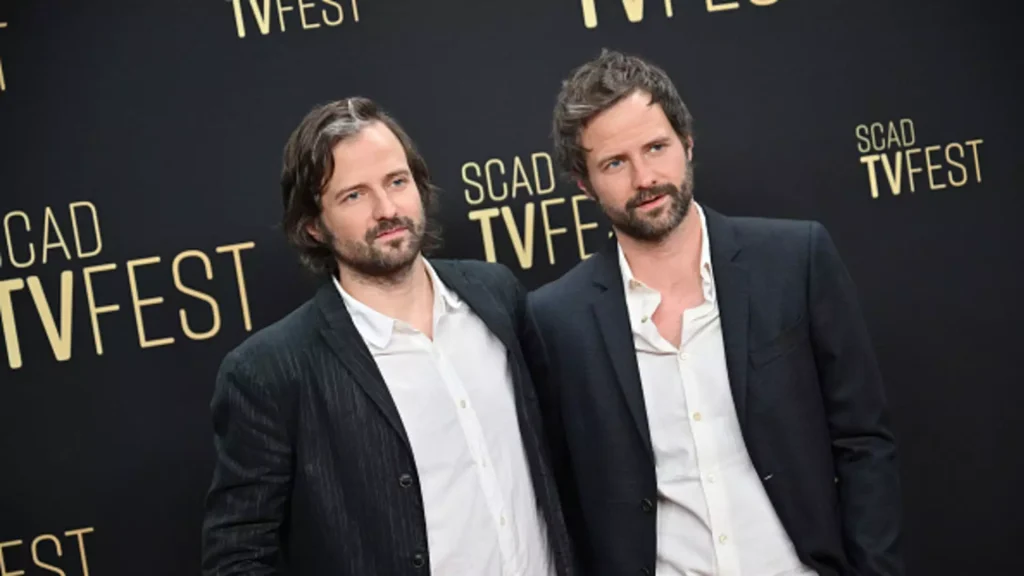
A Strategic Pivot from Streaming Staple to Studio Titan
The Duffer Brothers’ decision to make Paramount their new primary home after achieving meteoric success at Netflix is a deeply strategic one. While their creative roots blossomed under the streaming model, their ambitions are clearly expanding. Their stated commitment to producing “bold, original films” for the big screen is a powerful declaration. It suggests a belief that despite the convenience of streaming, the cultural impact and artistic validation of a major theatrical release remain unparalleled. This is not just about nostalgia for the cinema; it’s a calculated move to build an enduring legacy beyond episodic television, creating intellectual property that can live on the grandest stage possible.
Aligning with the newly consolidated Paramount-Skydance powerhouse provides the ideal platform for this ambition. The merger creates a vertically integrated behemoth with formidable theatrical distribution muscle, a growing streaming service in Paramount+, and a vast library of established franchises. For the Duffer Brothers, this offers a multifaceted ecosystem to develop a diverse slate of projects, from potential blockbuster films to prestige television series. They are not just joining a studio; they are partnering with a re-energized giant determined to compete aggressively on all fronts, offering them a unique opportunity to maximize their creative footprint across the entire media landscape.
Redefining Exclusivity in the Modern Media Age
Perhaps the most telling aspect of this new arrangement is what it says about the nature of exclusivity in 2025. The Duffer Brothers are not severing all ties with the platform that made them household names. Their continued involvement in upcoming Netflix projects, including “Something Very Bad Is Going to Happen” and “The Boroughs,” demonstrates a new paradigm for elite creators. The era of being tethered to a single platform is waning. Instead, creators with sufficient leverage can now navigate complex, multi-platform relationships, placing specific projects where they are best suited to thrive.
This hybrid approach signifies a maturation of the streaming industry. In the early days of the streaming wars, platforms demanded absolute loyalty to lock down talent and build their libraries. Now, the power dynamic has shifted. Proven hitmakers like the Duffer Brothers are no longer just employees-for-hire; they operate more like independent brands, capable of negotiating deals that offer both financial security and creative flexibility. This deal could set a powerful precedent, inspiring other top-tier writers, directors, and producers to demand similar arrangements that allow them to work across both streaming and traditional cinema, ultimately fostering a more dynamic and competitive creative marketplace.
The Unavoidable Risk: Creative Freedom vs. Corporate Synergy
While the opportunities presented by the Paramount deal are immense, they come with significant risks, chief among them the potential for diminished creative autonomy. The Duffer Brothers built their reputation on a unique blend of sci-fi, horror, and heartfelt nostalgia—a distinctive style that flourished in the relatively hands-off environment of early Netflix. A massive, publicly traded conglomerate like Paramount, however, operates under a different set of pressures. The commercial imperatives to produce four-quadrant blockbusters and shareholder-pleasing franchises can often lead to risk-averse decision-making and creative interference.
The central question is whether the Duffer Brothers’ singular voice can thrive amidst the layers of corporate synergy and commercial priorities inherent in a major studio. Their success will depend on their ability to navigate this new landscape, leveraging their clout to protect their vision while still delivering the large-scale entertainment the studio requires. This partnership will be a critical test case for the future of original storytelling within an increasingly consolidated industry. If they succeed, it will prove that artistic innovation and corporate scale can coexist. If their work becomes diluted, it will serve as a cautionary tale about the challenges creators face in maintaining their edge within the corporate machine, no matter how successful they are.