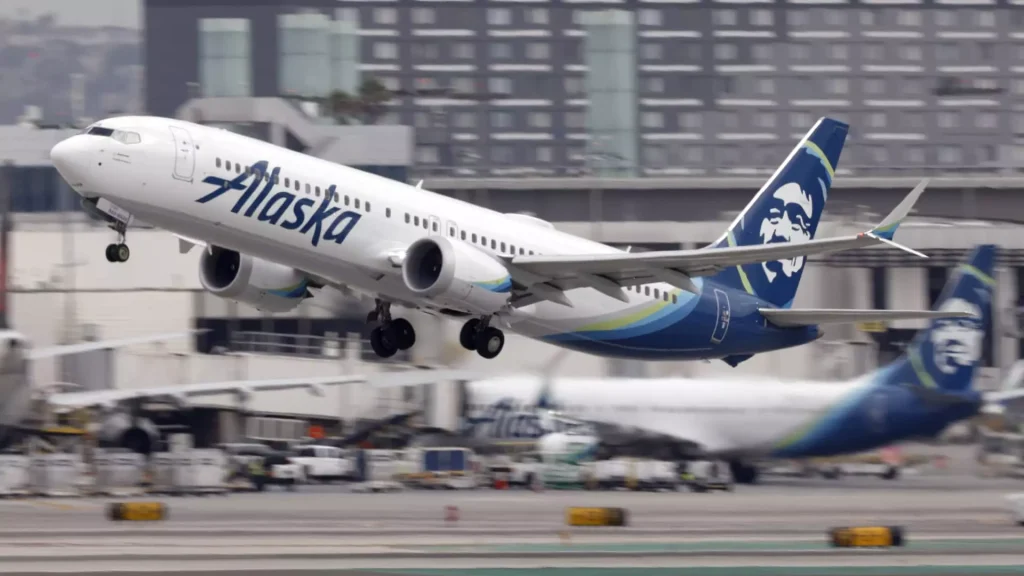
In the fiercely competitive airline industry, where razor-thin margins dictate survival, a strategic transformation is underway. The long-held focus on capturing the mass market is fading, replaced by a laser-targeted pursuit of the industry’s most lucrative segment: the high-spending, premium traveler. This pivot is not merely a subtle adjustment but a fundamental reshaping of the travel landscape, where loyalty is commodified and exclusivity is the new currency. Alaska Airlines’ recent overhaul of its loyalty program serves as a prime case study in this industry-wide gamble, illustrating a calculated strategy to build a fortress of luxury around a small, wealthy clientele, even if it means alienating the very travelers who once formed the bedrock of the industry.
The Anatomy of a High-Stakes Loyalty Strategy
The new blueprint for airline loyalty is built on creating intentional barriers to entry, transforming what was once a reward for frequent travel into a status symbol that must be continually purchased. Alaska Airlines exemplifies this with the introduction of its first premium credit card, the Atmos Rewards Summit Visa Infinite, which commands a hefty $395 annual fee. This fee acts as an initial filter, signaling that the associated perks are reserved for those willing to pay a significant premium.
The exclusivity is further cemented by dramatically increasing the requirements for elite status. The new tiers, such as Atmos Platinum and Atmos Titanium, demand thresholds of 80,000 and 135,000 points, respectively—a substantial leap from previous levels. This inflation is a deliberate move to thin the ranks of the elite, ensuring that the benefits remain valuable and undiluted. By doing so, airlines create a powerful incentive for high-value customers to concentrate their spending to attain or maintain their status. The strategy is nuanced, with tailored earning schemes for different travel styles, but its core objective is unambiguous: maximize revenue from the few who can afford it, effectively turning loyalty into a high-stakes game of financial commitment.
Building the Moat: Lounges, Tech, and the New Standard of Luxury
This strategic shift extends beyond digital points and credit cards into the physical and technological realms of the travel experience. Airlines are making massive investments in creating an ecosystem of exclusivity designed to insulate their premium customers from the inconveniences of mass travel. The development of specialized, luxurious airport lounges in strategic hubs like Seattle and San Diego is a key pillar of this approach. These spaces are no longer just quiet waiting areas; they are sanctuaries designed to offer a seamless, comfortable, and productive environment, reinforcing the value proposition for top-tier members. Offering perks like eight complimentary lounge passes for high-tier cardholders is a calculated investment to lock in loyalty from travelers who now view this access as an indispensable part of their journey.
Technology has also become a critical battleground. The move to offer complimentary high-speed Starlink Wi-Fi exclusively to premium members transforms a modern necessity into a status marker. While the entire cabin may be on the same aircraft, the digital experience is intentionally stratified. These investments in lounges and technology serve a dual purpose: they genuinely enhance the premium travel experience, but they also act as a competitive moat, creating a standard of service that budget-conscious carriers cannot easily replicate. This ensures that high-spending travelers, who often mix business with leisure, remain firmly tethered to the airline’s ecosystem.
The Broader Cost: A Two-Tier System in the Skies
While this ruthless focus on the premium segment may be a logical response to economic pressures, it carries profound socio-economic implications. The industry is actively fostering a bifurcation of the travel experience, creating a stark divide between the haves and the have-nots. As resources and innovation are poured into enhancing the front of the cabin, the economy experience risks stagnation or even degradation. This creates a two-tier system where air travel reverts from a democratized mode of transport back to a luxury good, accessible in its most comfortable form only to those who can cross a significant financial threshold.
This strategy poses a long-term risk to the industry’s own vitality. Airlines have built their vast networks on the back of volume, relying on millions of casual travelers to fill planes and sustain routes. By increasingly marginalizing this base with higher barriers and a less rewarding experience, they risk alienating the core of their market. If travel becomes a game playable only by the elite, overall demand could stagnate, ultimately threatening the complex, interconnected model that keeps the industry aloft. The paradox is clear: in the short-term quest for high-margin revenue, airlines may be eroding the broad foundation needed for long-term, sustainable growth. This arms race for luxury is not just changing who can fly comfortably; it is fundamentally altering the promise of what it means to travel in the modern world.