The American breakfast landscape is experiencing an unprecedented transformation as convenience stores emerge as formidable competitors to traditional fast-food establishments. This shift represents more than a simple market fluctuation—it signals a fundamental change in consumer preferences that threatens to permanently alter the morning meal industry dynamics.
The Numbers Tell the Story
Recent market analysis reveals striking statistics that underscore this dramatic shift. Fast-food breakfast visits have declined precipitously, with certain regions reporting drops as severe as 8.7% within a single quarter. Simultaneously, convenience stores specializing in fresh, made-to-order breakfast options have experienced remarkable growth, gaining nearly 10% market share during the same period.
McDonald’s morning traffic dominance exemplifies this trend, declining from 33.5% in 2019 to under 30% in 2025. This erosion of market share represents millions of lost customers and billions in potential revenue, highlighting the severity of the challenge facing traditional quick-service restaurants.
Fast Food’s Breakfast Vulnerabilities Exposed
The decline of fast-food breakfast stems from multiple interconnected factors that have collectively undermined the segment’s traditional advantages. Economic pressures have made consumers increasingly price-sensitive, leading many to question the value proposition of away-from-home breakfast options.
Chris Kempczinski’s acknowledgment that breakfast represents an economically fragile segment reveals industry awareness of these challenges. Consumers demonstrate greater willingness to skip breakfast entirely or prepare meals at home during periods of financial uncertainty, making this daypart particularly vulnerable to economic headwinds.
Rising menu prices across the fast-food industry have exacerbated these challenges. As inflation impacts food costs, restaurants have passed increases to consumers, eroding the affordability advantage that historically drove breakfast traffic. This price escalation coincides with growing consumer sophistication regarding value perception and quality expectations.
Traditional fast-food breakfast offerings, designed for consistency and speed, increasingly appear dated compared to more innovative alternatives. Limited menu variety and standardized preparation methods fail to meet evolving consumer demands for customization and freshness, creating opportunities for more agile competitors.
Convenience Store Innovation Revolution
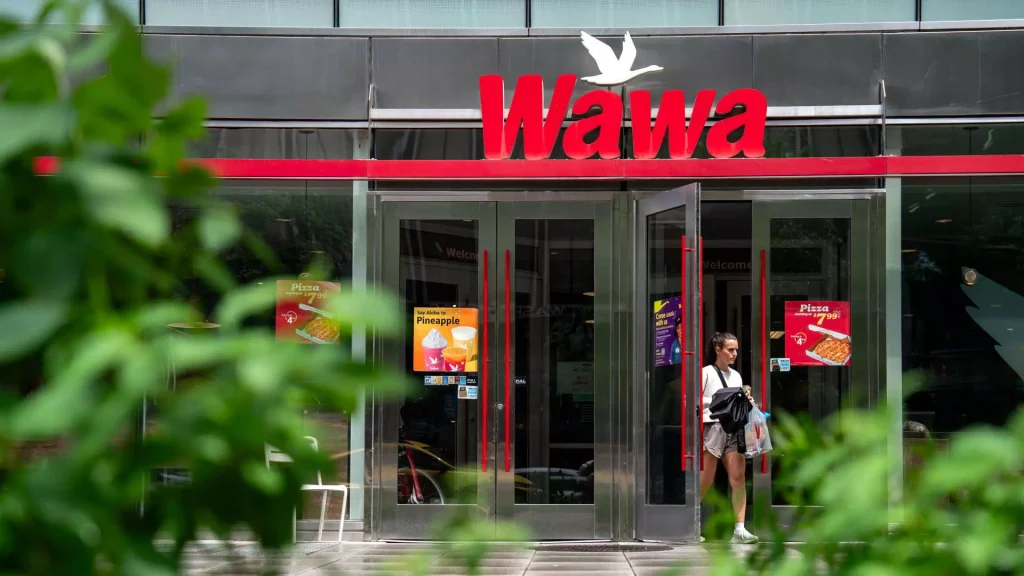
Modern convenience stores have transformed from simple fuel and snack destinations into sophisticated food service operations. Chains like Wawa, Sheetz, and Buc-ee’s have invested heavily in elevating their culinary offerings, focusing on freshness, quality, and creative menu development.
Wawa’s customer base expansion of over 11% since 2022 demonstrates the effectiveness of this strategy. By combining grocery-like flexibility with restaurant-quality preparation, these stores have created compelling value propositions that resonate with contemporary consumers.
The convenience store advantage extends beyond food quality to encompass operational flexibility. Unlike fast-food restaurants constrained by corporate menu standards and preparation protocols, convenience stores can adapt quickly to local preferences and market trends. This agility enables rapid innovation and responsiveness to consumer feedback.
Strategic location advantages further strengthen convenience stores’ competitive position. Their integration with fuel services creates natural stopping points for commuters, while extended operating hours cater to varied schedule demands. This accessibility factor proves particularly valuable for time-pressed morning consumers.
Consumer Psychology Behind the Shift
The migration from fast food to convenience stores reflects deeper changes in consumer psychology and expectations. Modern consumers increasingly prioritize perceived value over simple affordability, seeking experiences that justify their spending decisions.
Survey data indicates that nearly three-quarters of consumers view convenience stores as viable alternatives to fast-food chains for breakfast occasions. This acceptance represents a fundamental shift in consumer perception, elevating convenience stores from emergency options to preferred destinations.
Health consciousness plays an increasingly significant role in breakfast decisions. Consumers gravitate toward options perceived as fresher, more natural, and less processed than traditional fast-food offerings. Convenience stores’ emphasis on made-to-order preparation and visible food preparation areas addresses these concerns effectively.
The “one-stop shopping” appeal cannot be understated. Convenience stores enable customers to fuel vehicles, purchase beverages, grab breakfast, and handle other errands in a single location. This efficiency aligns perfectly with busy modern lifestyles, providing tangible time savings that fast-food restaurants struggle to match.
Economic Forces Driving Change
Inflation and economic uncertainty have fundamentally altered breakfast spending patterns. Consumers demonstrate increased sensitivity to price-value relationships, demanding more substantial offerings for their money. Convenience stores’ ability to provide larger portions, diverse options, and perceived freshness at competitive prices addresses these economic concerns.
The labor market’s impact on consumer behavior extends beyond simple spending power to influence routine disruption. Remote work arrangements, flexible schedules, and changing commute patterns have altered traditional breakfast timing and location preferences, creating opportunities for more conveniently located food providers.
Credit constraints and reduced discretionary spending have made consumers more deliberate about food purchases. The convenience store model’s emphasis on value perception and variety appeals to budget-conscious consumers seeking to maximize their breakfast investment.
Technology and Operational Advantages
Convenience stores have embraced technology integration more aggressively than many fast-food competitors. Advanced point-of-sale systems, mobile ordering applications, and digital loyalty programs create seamless customer experiences that rival or exceed traditional restaurant offerings.
Kitchen equipment investments have enabled convenience stores to offer restaurant-quality food preparation without the overhead costs associated with full-service restaurants. Compact, efficient cooking systems allow for fresh preparation while maintaining the speed advantages that consumers expect from quick-service options.
Supply chain flexibility represents another crucial advantage. Convenience stores’ existing relationships with diverse suppliers enable rapid menu innovation and seasonal adaptation without the lengthy approval processes that constrain fast-food franchises.
Looking Forward: Market Evolution Predictions
The breakfast market transformation appears likely to accelerate rather than stabilize. Convenience stores’ continued investment in food service capabilities, combined with fast food’s structural challenges, suggests further market share erosion for traditional players.
However, fast-food chains are not passive observers of this trend. McDonald’s and competitors are experimenting with new approaches, including expanded delivery options, value bundling strategies, and menu innovations designed to recapture lost customers. The effectiveness of these initiatives will largely determine whether the current trend represents a temporary disruption or permanent market realignment.
Consumer behavior changes accelerated by recent economic and social developments appear likely to persist. Preferences for flexibility, value, and convenience suggest that convenience stores’ competitive advantages will remain relevant even as economic conditions improve.
Conclusion
The breakfast battle between convenience stores and fast food represents a microcosm of broader retail evolution. Success increasingly depends on adaptability, consumer understanding, and value delivery rather than traditional competitive advantages like brand recognition or operational scale.
For fast-food operators, the convenience store challenge demands fundamental strategic reconsideration. Simply improving existing offerings may prove insufficient against competitors offering entirely different value propositions. Innovation, flexibility, and genuine consumer focus will determine which businesses thrive in this transformed breakfast landscape.
The ultimate winners will be consumers, who benefit from increased competition, improved quality, and expanded options. As the breakfast revolution continues, market dynamics will likely favor businesses that prioritize customer needs over operational convenience, signaling a broader shift toward consumer-centric retail strategies across the food service industry.